


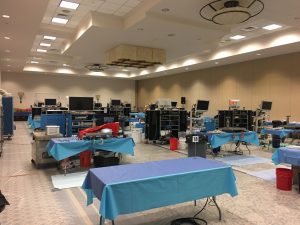
 Cadaver training plays a key role in pushing forward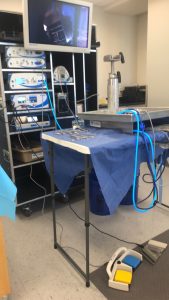
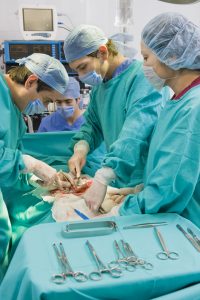
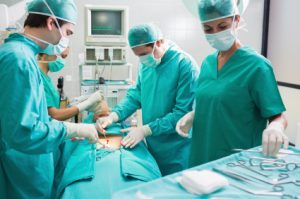
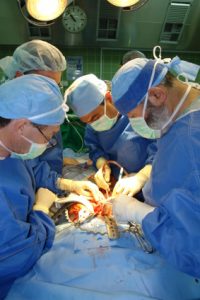 , because it lets surgeons safely master new techniques that demand extreme precision. Here’s how it directly supports new and emerging advances in orthopedic sports medicine 🏃♂️🏋️♀️
1. Development of anatomic ligament reconstruction techniques
Modern sports medicine emphasizes anatomic restoration rather than simple repair.
Cadaver training allows surgeons to:
-
Precisely identify native ACL, PCL, and MPFL footprints
-
Practice double-bundle ACL reconstruction
-
Optimize tunnel placement to restore natural knee biomechanics
This has led to better stability, lower re-tear rates, and improved return-to-sport outcomes.
2. Advancement of minimally invasive arthroscopy
Many new sports medicine procedures are increasingly arthroscopic and tissue-sparing.
Cadaver labs help surgeons:
-
Refine portal placement for hip, shoulder, and ankle arthroscopy
-
Learn new capsule-preserving techniques
-
Practice complex arthroscopic maneuvers before operating on athletes
These advances reduce postoperative pain and speed rehabilitation.
3. Innovation in meniscus preservation and repair
There is a major shift away from meniscectomy toward meniscal preservation.
Using cadavers, surgeons can:
-
Practice all-inside, inside-out, and root repair techniques
-
Study meniscal vascular zones and tear patterns
-
Evaluate fixation strength and failure modes
This has helped expand indications for repair and delay post-traumatic osteoarthritis.
4. Improved cartilage restoration techniques
Cartilage repair is one of the fastest-growing areas in sports medicine.
Cadaver training supports:
-
Accurate lesion sizing and preparation
-
Proper placement of osteochondral autografts/allografts
-
Refinement of MACI and scaffold-based procedures
Surgeons gain confidence performing technically demanding cartilage procedures.
5. Safer and more effective shoulder stabilization
Shoulder instability procedures have evolved rapidly.
Cadaver labs allow:
-
Precise study of the glenoid track concept
-
Practice of Latarjet and arthroscopic bone block techniques
-
Understanding of neurovascular risk zones
This improves outcomes in contact and overhead athletes.
6. Advancement of hip preservation surgery
Hip sports medicine has seen major innovations.
Cadaver training helps surgeons:
-
Learn labral preservation and reconstruction
-
Practice femoroacetabular impingement (FAI) correction
-
Safely manage deep-seated neurovascular anatomy
This has expanded hip arthroscopy indications and improved return-to-sport rates.
7. Faster and safer adoption of new implants and devices
Sports medicine constantly introduces new fixation devices and biologic adjuncts.
Cadaver training enables:
-
Evaluation of new anchors, buttons, and suture systems
-
Testing of graft fixation strength
-
Integration of biologic augmentation (PRP scaffolds, patches)
This reduces complications once techniques reach live patients.
Big picture
For sports medicine orthopedic surgeons, cadaver training:
-
Shortens the learning curve for complex procedures
-
Supports innovation in biologics, arthroscopy, and preservation techniques
-
Improves surgical precision for high-demand athletes