Modern cremation procedures have seen notable advances focused on environmental sustainability, energy efficiency, emission reductions, and operational improvements. Traditional flame-based cremation (using high-temperature retorts) remains dominant, but innovations aim to address its carbon footprint, mercury emissions from dental amalgams, and resource use. Alternative “flameless” methods are gaining traction as greener options.
1. Energy-Efficient and Low-Emission Flame Cremation Technology
- Next-generation retorts: Manufacturers like Matthews Environmental Solutions and Facultatieve Technologies have introduced cremation chambers with advanced insulation, heat recovery systems, and improved combustion controls. These reduce fuel consumption, minimize heat loss, and allow higher throughput (e.g., up to 12 cremations per 24-hour period in some units). Electric-powered or hybrid retorts are emerging as lower-emission alternatives to traditional gas-fired systems.
- Advanced filtration and mercury abatement: Modern crematories increasingly use activated carbon injection, baghouse filters (fabric filters with lime/carbon layers), cooling condensers, and fixed-bed or sorbent systems to capture mercury, dioxins, and particulates. Efficiencies can exceed 95–99% for mercury removal, helping facilities meet stricter environmental regulations. Pre-injection of activated carbon-lime mixtures and selenium-based filters are among the techniques showing promise.
- Automation and AI integration: Operators can now monitor and control multiple retorts via automated systems with digital controls, reducing human error, optimizing cycles, and improving safety. AI assists in process monitoring, predictive maintenance, and operational efficiency.
2. Alkaline Hydrolysis (Water Cremation or Aquamation)
This flameless process uses a combination of water, alkali (e.g., potassium hydroxide), heat, and pressure to accelerate tissue hydrolysis, reducing the body to bone fragments (processed into “ash”) and a sterile liquid effluent. It produces significantly fewer emissions and uses far less energy than flame cremation (often cited as under 10% of the energy in some claims).
- Adoption and legalization: As of early 2026, alkaline hydrolysis is legal in approximately 26–28 U.S. states (including Arizona, California, Colorado, Florida, Illinois, and others) and several Canadian provinces. Availability is still limited in some legalized areas due to equipment costs and infrastructure, but the number of providers is growing. It is often marketed as a gentler, more eco-friendly option.
- Advantages: Lower carbon footprint, no combustion byproducts, and the liquid byproduct can typically be safely processed through wastewater systems (subject to local regulations).
3. Natural Organic Reduction (Human Composting or Terramation)
This accelerated composting process places the body in a vessel with organic materials (wood chips, straw, alfalfa) where microbes, heat, oxygen, and moisture break it down into nutrient-rich soil over 4–8 weeks (some systems claim 28–45 days with optimized microbial mixes). Families may receive the resulting soil for memorial use or scattering.
- Environmental benefits: It uses a fraction of the energy of flame cremation (roughly 1/8 to 1/10) and avoids direct CO₂ emissions from combustion, while returning nutrients to the earth. It is promoted as one of the most sustainable options.
- Legal status: Legal in a growing number of states (starting with Washington in 2019; now around 6–13 states depending on sources, with facilities expanding). Providers like Return Home and Recompose operate specialized vessels. Some cemeteries (e.g., Green-Wood in New York) are partnering to offer it.
4. Other Emerging or Conceptual Alternatives
- Promession/Cryomation variants: These involve freezing the body (liquid nitrogen or cooling) to make it brittle, followed by vibration or mechanical reduction into powder, with water removal via vacuum. The resulting material is compostable. These remain largely developmental or conceptual, with limited commercial availability and regulatory hurdles in many places.
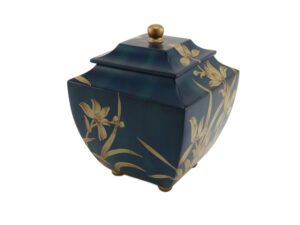
- Personalization and memorial tech: While not core procedures, advances include digital showrooms for urn selection, customizable urns, and integration with virtual memorials. Post-cremation metal recycling programs (for implants/prosthetics) have become more sophisticated and revenue-generating for facilities.
Broader Trends
Cremation rates remain high (projected to plateau around 80% in the U.S.), but demand for greener alternatives is rising due to environmental concerns. Facilities are investing in sustainable tech to reduce costs, comply with regulations, and meet consumer preferences for lower-impact options. Human composting and water cremation are highlighted in 2025–2026 industry discussions as key growth areas alongside efficiency upgrades in traditional crematories